Your Smoker Doesn't Hate November—It Hates the Wind
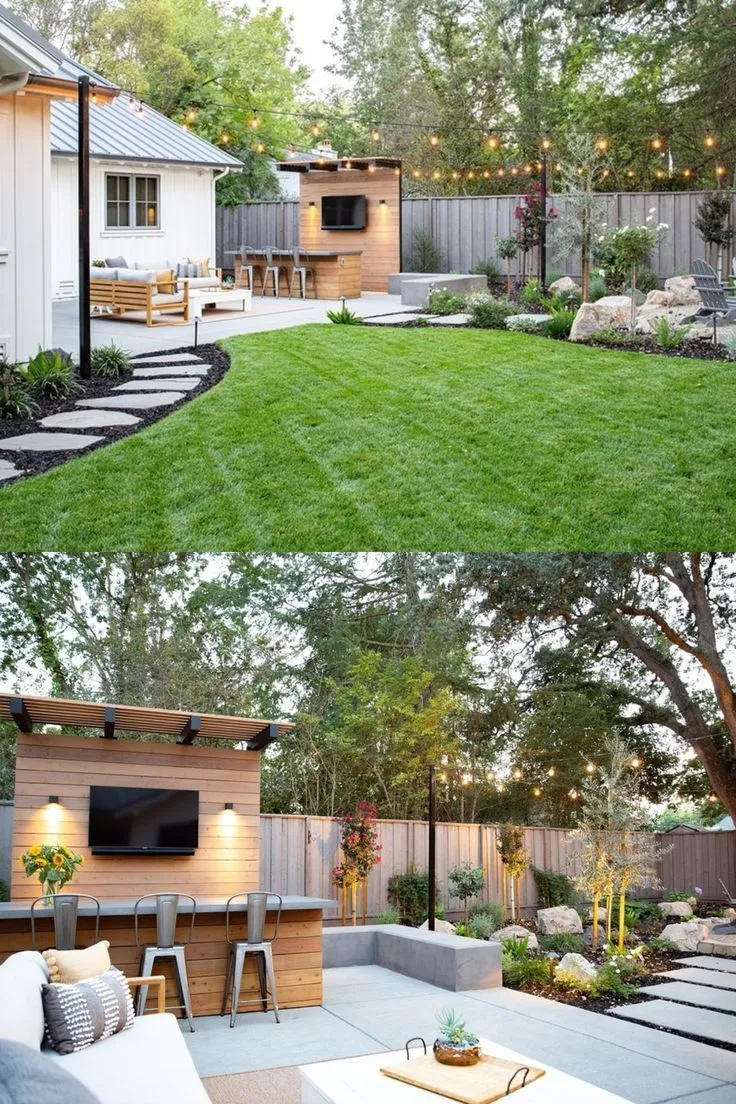
Photo: backyard offset smoker with plywood windbreak in cold autumn wind, via i.pinimg.com
The first real cold snap hits, you load a pork butt, set the pit for 250°F, and walk inside for coffee. Twenty minutes later the thermometer is reading 205°F and falling. You open the intake, add fuel, maybe throw on another chunk. The dial climbs for a minute, then the next gust comes through and knocks it back down. By noon you are not cooking barbecue anymore. You are negotiating with the weather.
Here is the part most backyard pitmasters learn the hard way: November cold is only half the problem. Wind is the other half, and it is usually the bigger thief. The good news is that you do not need an expensive insulated blanket or a heated garage setup to fix it. You need about $20, a little positioning common sense, and the willingness to stop chasing the dial every time the wind shifts.
Wind Is a Heat Siphon
Still cold air is not that dramatic. It makes your smoker work a little harder, sure, but metal and fuel can handle it. Moving cold air is a different animal. Wind strips away the thin layer of warm air clinging to the outside of your cooker, then keeps replacing it with fresh cold air. That is convective heat loss, and it can pull heat out of a thin-walled offset or a drum smoker faster than a small fire can replace it.
This is why your lid thermometer can look fine while the grate is running cold, or why one side of the brisket stalls while the other keeps moving. The wind does not care about your recipe. It finds seams, stack openings, thin metal, and any gap you forgot about. A 10 mph breeze across an exposed smoker can feel like someone opened a window in the cooking chamber.
So before you buy another gadget, ask a simpler question: what is the wind actually hitting?
Build a Windbreak, Not a Blanket Fort
The classic $20 fix is two pieces of plywood and four cinder blocks. A 2-foot by 4-foot panel is plenty for most backyard cookers, and you can often get scrap plywood for less. If you already have sandbags, buckets, or garage-sale patio blocks, use those as feet. The point is not to build a shed. The point is to put a solid wall between your smoker and the prevailing wind.
Set the panels on the upwind side of the cooker, roughly three to four feet away, angled slightly so gusts slide past instead of slamming flat into the pit. Leave the top open and leave the downwind side open. You want a windbreak, not an enclosure. Boxing a smoker in can trap heat, create weird drafts, and turn a safe setup into a carbon monoxide problem. Never run a smoker inside a garage, tent, or sealed shelter.
A tarp can work in a pinch, but treat it as a last resort. Keep it well away from hot surfaces and exhaust, secure it so it cannot whip into the fire, and do not drape it over the cooker. Old shower doors, fence panels, hay bales, and weighted trash cans can all block wind if they are stable. Just remember the two rules: secure it, and give the smoker breathing room.
Position Matters More Than Material
A common mistake is putting the windbreak too close. That can create turbulence around the cooker and make one side run hot while the other runs cold. Give the pit some space. You want the wind slowed down before it reaches the smoker, not forced into a weird vortex around the firebox.
Also watch the forecast, not just the current gust. If the wind is supposed to swing around later, set up for the afternoon direction or be ready to move a panel. A windbreak that works at 9 a.m. and fails at 2 p.m. is just expensive yard art.
And keep the exhaust clear. If you build a wall that blocks the stack, you are asking for stale smoke and dirty flavor. The windbreak should shield the body of the cooker, not smother the chimney.
Feed the Fire Like It Is Cold
Once the wind is handled, your fire still needs a little more help than it did in July. Start with a bigger coal bed than usual. A deep, steady bed of embers handles cold air better than a few briquettes scattered under a split. For charcoal cooks, prelight a full chimney and add a little extra unlit charcoal to the basket so the fire has something to build on.
For wood-fired offsets, keep splits dry and ready. Cold weather does not mean you should cram the firebox full, but it does mean you should not let the coal bed get thin. Small, hot fires are easier to manage than one giant split that smolders while the chamber temp falls. If your pit has a water pan, consider hot water rather than cold tap water. It is one less heat sink fighting you.
Stop Chasing the Dial
This is the hardest habit to break. The thermometer drops, so you open the intake. Then it climbs too high, so you close it. Then the wind gusts and it drops again. You spend the afternoon making tiny adjustments and never let the pit settle.
Make one change, then wait 15 to 20 minutes before making another. Aim for a stable range, not a perfect number. On a windy November day, 235°F to 265°F is a perfectly respectable place to live. Check the grate temperature if you can, and trust your windbreak more than your urge to fiddle with vents.
A $20 sheet of plywood and a few blocks will often outperform a blanket in a gust because it addresses the actual problem. Blankets slow radiant heat loss. Windbreaks stop the wind from stealing heat in the first place. If you already own a welding blanket, fine, but do not use household blankets, moving blankets, or anything that can catch fire or trap exhaust.
The November Setup
Before the next cold-weather cook, do a quick walkaround. Put a stable windbreak on the upwind side, leave the top and downwind side open, and secure everything so a gust cannot tip it. Build a bigger coal bed, keep your exhaust open, and give the pit time to settle between adjustments. Keep a carbon monoxide detector nearby if you cook near a structure, and never bring the smoker indoors.
November barbecue is not about fighting the season. It is about giving your fire a fair chance. Block the wind, feed the coals, and let the smoker do its low-and-slow thing.