Bark Forensics: How to Tell a Brisket's Black Crust From Burnt Rub
Brisket bark is one of those things backyard cooks obsess over for good reason. It is the first thing you see when the butcher paper opens, the first thing guests poke at, and often the best-tasting bite on the slice. But black does not automatically mean burnt, and mahogany does not automatically mean better. The real question is whether that crust is built from rendered fat, smoke, and seasoned meat, or whether it is just a layer of scorched rub hiding a problem underneath.
This is not a debate about whether 225°F is sacred or whether foil is cheating. It is a practical audit you can run mid-cook, before the mistake becomes dinner. Think of it as bark forensics: scratch it, smell it, taste it, and decide what your pit is telling you.
What Bark Actually Is, and What It Is Not
Bark is not a single event. It is a slow accumulation of dehydrated surface, rendered fat, smoke particles, and browned rub. Salt pulls moisture toward the surface early, pepper and other spices form a coarse layer, and heat drives browning and smoke adhesion. Airflow matters as much as temperature. A clean, steady fire gives you a crust that tastes like beef, pepper, coffee, and smoke. A smoldering fire gives you something darker and meaner.
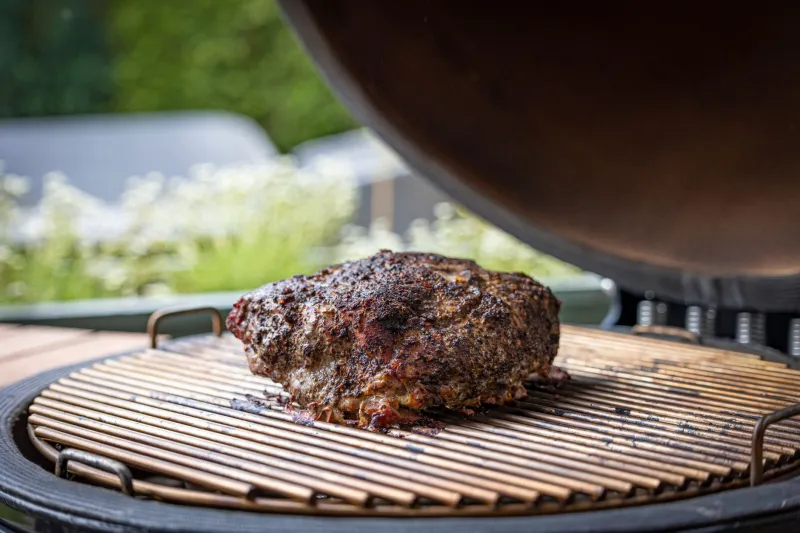
The goal is structure. Good bark should feel dry and slightly crackly, like a well-baked crust. It can be deep black, especially on a heavily peppered Central Texas-style brisket, but it should not smear like wet ash. Burnt rub is a different creature: acrid, gritty, and often bitter enough to ruin a bite. The difference usually comes down to sugar load, fire quality, moisture management, and when you wrap.
The Stall-Side Audit: Scratch, Smell, Taste
Run this audit when the brisket hits the stall, usually somewhere around 160°F to 170°F internal. That is the moment before most cooks panic and wrap. It is also the moment when bark is set enough to read.
Scratch it. Use a fingernail on the flat, away from the very edge. Good bark resists slightly, then flakes or cracks. It should not wipe away like soot. If your finger comes back covered in black paste and the meat underneath looks gray and wet, you have a rub problem or a moisture problem, not a bark achievement.
Smell it. Waft the surface toward your nose. You want clean smoke, beef, pepper, and maybe a little sweet bark aroma. Sharp creosote, stale ash, or a bitter campfire smell means the fire is not burning clean. Trust that signal. No amount of sauce fixes dirty smoke.
Taste it. Pinch a small piece from a corner or edge, not the middle. Good bark is savory, smoky, and peppery, with a little pleasant bitterness from the char. Bad bark is acrid in a way that lingers and numbs the tongue. If one tiny taste makes you wince, do not wrap it and hope for the best.
Diagnosis One: Pale, Soft Bark
Pale bark usually means the surface stayed too wet or the pit never got hot enough to drive browning. Too much spritzing is a common culprit. So is wrapping early because the cook is nervous about the stall. A crowded smoker, a water pan putting out too much humidity, or a pellet grill running in heavy smoke mode at low heat can also keep bark from setting.
The fix is simple: stop spritzing, open up the airflow, and let the surface dry. On an offset, build a small, hot, clean fire and keep the exhaust wide open. On a kettle, do not choke the top vent. On a pellet smoker, bump the temp to 250°F to 275°F and give it time. Do not start dumping sugar on the brisket to force color. A little sugar can help browning, but too much turns quickly from gold to grief. Coarse salt and pepper are usually enough. Wait until the bark is set before you even think about wrapping.
Diagnosis Two: Bitter, Acrid, Ashy Bark
This is the most common false alarm and the most common real problem. A black crust can be perfectly good. A black crust that tastes like a chimney sweep is not. Bitter bark often comes from a fire that is smoldering instead of burning clean. Wet wood, oversized splits, closed-down vents, and a dirty pellet burn pot all push you toward creosote. Heavy sugar rubs can also scorch, especially at higher heat.
The correction starts with the fire. Use small, dry splits and let them burn clean before adding meat-side smoke. Keep the exhaust open. Do not soak wood chunks. On a pellet grill, clean the burn pot and stop overloading smoke tubes. On a kettle, let the top vent breathe. If the bark is already bitter but not ruined, wrap in butcher paper to slow additional smoke absorption and trim away the worst black edges at slicing. If the whole surface tastes like ash, scrape the heaviest spots and call it a learning cook.
Diagnosis Three: Soggy, Limp Bark
Soggy bark is a wrapping and resting issue more often than a rub issue. Tight foil traps steam and softens the crust. Spritzing late does the same. Wrapping before the bark has set traps moisture under a rub layer that never had a chance to dry. Slicing too soon after the rest can also make good bark look limp.
If the bark goes soft after wrapping, unwrap the brisket and put it back on the smoker at 275°F for 20 to 30 minutes. Leave it on a rack so air can move around it. Butcher paper is a better choice than foil when you want to protect bark while still letting some moisture escape. For the rest, let the brisket cool on the counter for a few minutes before sealing it back up, and slice only when you are ready to serve.
Salt, Sugar, and Fire: Keep the Adjustments Small
Salt should go on early and evenly, but do not keep adding more late in the cook to chase color. Sugar is optional. If you use it, keep the amount low and watch your pit temp. Paprika and coarse pepper add color and texture without the scorch risk of a sweet rub. Most importantly, manage the fire. Clean smoke and steady airflow build better bark than any secret ingredient. A spritz is a tool, not a ritual. Use it when the surface looks dry, not because the clock says so.
The Only Audit That Matters Is the Slice
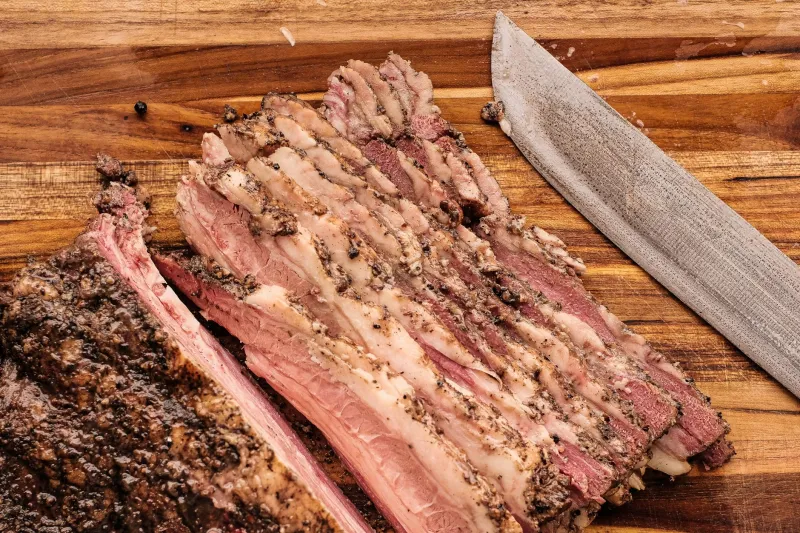
When you finally slice, the bark should hold together on the slice without shattering into ash or sliding off like a wet blanket. It should taste like the best parts of the cook: beef, pepper, smoke, and a little crunch. If it does, the black crust is gold. If it bites back with bitterness or falls apart in a soggy mess, you learned something before the next brisket. That is the whole point of a backyard audit.