Smoke the Bird, Save the Oven: A Thanksgiving Turkey Built for Hickory and House Guests
Every Thanksgiving, millions of American ovens get asked to do the impossible: roast a 20-pound bird, bake three casseroles, and finish two pies, all in the same twelve-hour window. Meanwhile, there's a perfectly good smoker sitting in the backyard, cold and unemployed. That ends this year.
Smoking your Thanksgiving turkey isn't a stunt. It's logistics. The bird comes off the pit, the oven frees up for sides, and your house stops smelling like a hot feathery sauna at 7 a.m. Here's the full playbook — brine math, skin strategy, and the disaster plan for when things go sideways at dawn.
The Timeline Starts Tuesday, Not Thursday
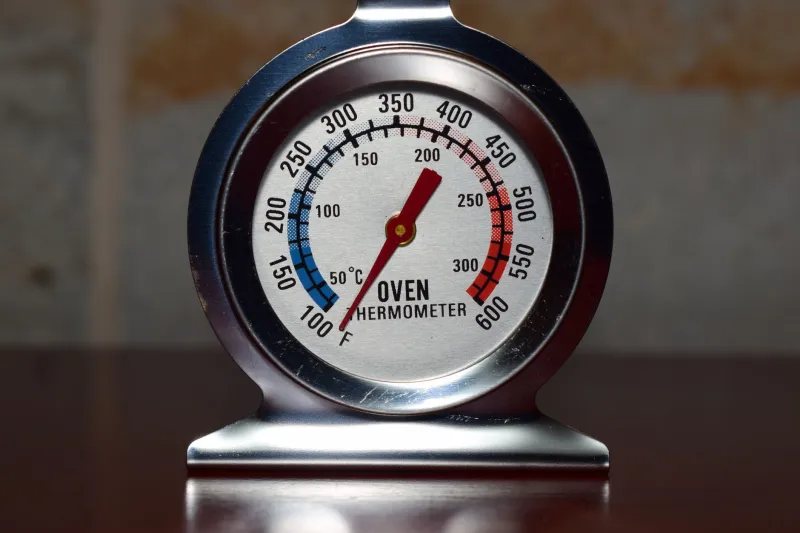
An 18-hour smoke means you're not putting a raw turkey on the grate at sunrise and hoping. You're working backward. A 14- to 16-pound bird at a true pit temp of 225°F runs roughly 30 to 40 minutes per pound if you're chasing 165°F in the breast. Yes, that's a long cook. Yes, it's worth it.
Here's the schedule that works:
- Tuesday evening: Buy the bird. Fresh if you can find it; if it's frozen, it should already be thawing in the fridge — figure 24 hours per 4 pounds, so a big turkey needs to start defrosting Sunday.
- Wednesday, noon: Make the brine. Use a ratio of 1 gallon of water to 1 cup of kosher salt and half a cup of sugar, plus whatever aromatics you like — bay leaf, black peppercorns, a smashed head of garlic, a few sprigs of thyme. Bring it to a boil, cool it completely, then submerge the bird breast-down in a food-safe bucket or brining bag. Refrigerate 12 to 18 hours. No longer. Over-brined turkey tastes like a ham that gave up.
- Wednesday, 10 p.m.: Pull the bird from the brine, rinse it, pat it bone dry, and let it sit uncovered in the fridge overnight. This air-dry step is the single most important thing you'll do for the skin. Dry skin is crispy skin. Wet skin is a wet paper towel with regrets.
- Thursday, 2 a.m.: Yes, really. Fire the smoker, season the bird with a light hand — the brine already salted the meat, so go easy on any rub with salt in it. Bird goes on by 3 a.m.
- Thursday, 9 to 10 p.m.: Rest, carve, eat. The oven stays free all day for the green bean casserole and the rolls.
Hickory, Sparingly
Turkey is a lean, mild meat, and it absorbs smoke like a sponge. Hickory is the right call for the holidays — that bacon-y, campfire backbone reads as "Thanksgiving" the way pecan or apple just doesn't — but restraint matters. Two to three chunks over a coal bed is plenty for the first half of the cook. After the bird hits roughly 130°F internal, the skin stops taking on smoke meaningfully anyway, so front-load it.
One more hickory note: use seasoned splits, not green wood. Green hickory on poultry turns bitter fast, and nobody wants acrid gravy.
The Skin Problem, Solved
Here's the honest truth about smoking poultry: low and slow does not make crispy skin. Moist heat and long cook times make skin that's tender, smoky, and floppy. If that doesn't bother you, skip this section. If it does, you've got three plays:
- The fat baste. Around the halfway mark, brush the skin with melted butter or brush it with a little neutral oil. It helps the skin render and brown instead of just dehydrating.
- The finish over direct-ish heat. When the breast hits about 150°F, if your smoker allows it, bump the pit to 275–300°F or move the bird over hotter coals for the final stretch. Twenty to thirty minutes of higher heat tightens and crisps the skin without overcooking the meat.
- The 500°F oven hail mary. If your smoker can't run hot, finish the bird in a screaming-hot oven for 10 to 15 minutes while it rests. Purists will grumble. Your guests will not.
Pull the bird at 158–160°F in the breast and 170°F in the thigh. Carryover heat will close the gap while it rests a full 30 to 45 minutes, tented loosely. Don't skip the rest — a smoked turkey carved straight off the pit bleeds out its juices onto the cutting board, and then you're serving sawdust with gravy.
When the Smoker Dies at 6 A.M.
It happens. The thermocouple quits, the charcoal chimney tips over, the wind shifts and your pellet hopper auger jams with a house full of sleeping relatives. Every pitmaster needs a plan B written down before the panic starts.
The rescue protocol:
- Diagnose in five minutes. Fuel problem? Fixable. Mechanical failure on a pellet grill or a cracked firebox on a cheap offset? Not fixable before dinner.
- Have a backup heat source ready. Your oven, obviously — but also consider a neighbor's grill or a propane burner. A partially smoked bird can absolutely finish in a 325°F oven. You'll lose some smoke flavor, but the brine and the first four hours of hickory are already locked in. Nobody at the table will know the difference.
- The reverse insurance policy: Smoke the bird a day early. A fully smoked turkey reheats beautifully — carve it, lay it in a pan with a cup of stock, cover with foil, and warm at 300°F for about 30 minutes on Thursday. This is the ultimate low-stress play, and it means you're not standing in the dark at 3 a.m. babysitting a fire while your family sleeps.
Honestly? The smoke-it-Wednesday plan is what the veterans do. The 18-hour day-of cook is for the rest of us who need the drama.
The Bottom Line
Smoking the turkey isn't about showing off. It's about reclaiming your kitchen, getting real wood flavor into the centerpiece, and giving yourself one more reason to be outside on a cold November morning with a cup of coffee and a fire to tend. Low and slow isn't just for brisket — it's for the holidays too. Fire up Thursday. Or better yet, fire up Wednesday, sleep in, and let the oven handle the pie.