Your Smoker Is Lying to You: Stop Worshipping 225°F and Learn Your Pit Instead
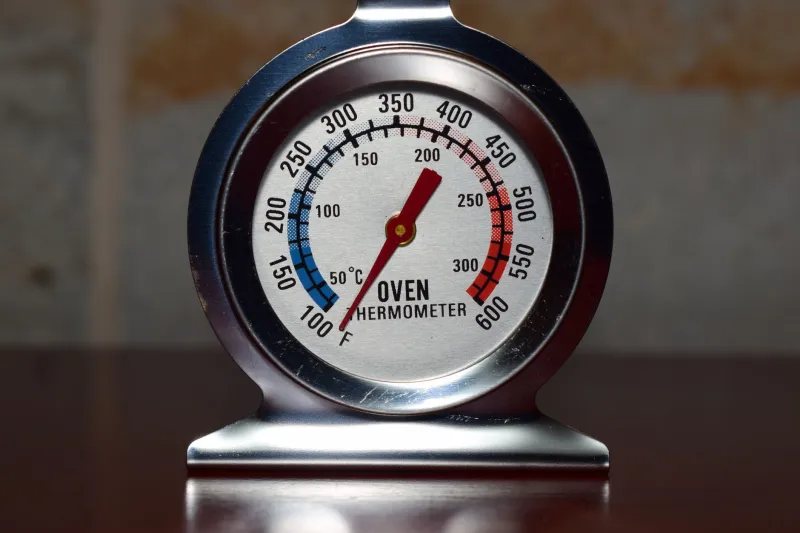
Somewhere along the way, backyard America decided that 225°F was a commandment. You see it in every Facebook group, every YouTube comment section, every conversation over the fence: "I held 225 for twelve hours straight, boss move." And look, I get it. Numbers feel safe. Numbers feel controllable. But here's the uncomfortable truth I've learned after a decade of cooking on everything from a rusty Brinkmann to a hand-built offset: 225°F is not a temperature. It's a suggestion.
And in your specific smoker, on your specific patio, in your specific weather? It might not even be a good one.
Why the Magic Number Doesn't Exist
The 225 figure came from competition cooks and old-school Texas pits, and it made sense there — in the equipment they were using, with the fuel they were burning. But heat is not a universal language. It's a dialect, and every smoker speaks its own.
Consider what's actually going on inside your cooker:
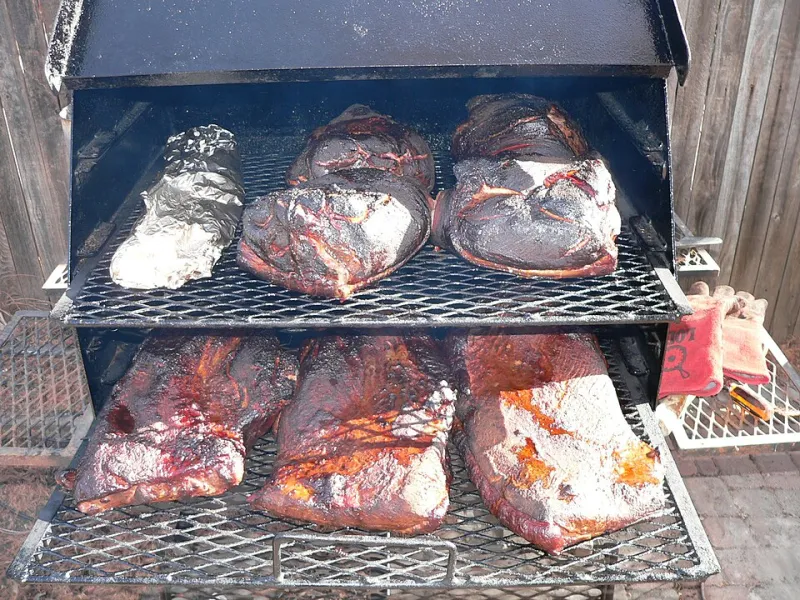
- Thermometer placement. The probe on your dome lid might read 225 while the grate where your ribs actually sit is running 260. That's not a broken thermometer — that's two different truths in the same box.
- Fuel personality. A load of seasoned post oak in an offset burns hot and fast. A sealed pellet hopper feeding blend pellets sips along. Same number on the dial, wildly different heat character.
- Weather is a co-pitmaster. A January cook in Minnesota with 20 mph winds is a fundamentally different machine than the same smoker in July in Austin. Your pit doesn't know it's supposed to hold 225. It knows it's cold and angry.
- Altitude and humidity mess with combustion, evaporation, and cook times in ways no thermostat anticipates.
So when your brisket stalls at the same internal temp but takes two hours longer than the recipe, the recipe isn't wrong. It was just written for a different pit in a different world.
Read the Meat, Not the Dial
Here's the mindset shift that changed my barbecue: the smoker's job is to produce heat. The meat's job is to tell you how it's going.
A thermometer stuck in the thickest part of the flat is worth ten dome thermometers. Feel matters too — pick up that rack of ribs with tongs and watch for the bend, press that pork butt and feel for the buttery give. Smoke color tells a story as well: thin, bluish smoke drifting steadily means clean combustion; thick white billowing means your fire is choked and your food is about to taste like an ashtray.
When pitmasters talk about "feel," this is what they mean. They've stopped asking the smoker what temperature it is and started asking the food how it's doing. Those are different questions with very different answers.
The Ten-Cook Plan: Dating Your Smoker
You wouldn't take a road trip in a rental car without figuring out where the mirrors and blinkers are. So stop expecting great brisket from a pit you've cooked on three times. Here's the framework I give every backyard cook who asks me why their food keeps coming out inconsistent:
Cooks 1–3: Observation only. Cheap cuts — chicken thighs, pork steaks, a couple of fatties. Don't chase results, chase data. Log where your grate-level temp actually sits versus what the dome says. Note how long your fuel lasts. Learn your vent positions and what each one does.
Cooks 4–5: Stress test. Cook in bad weather on purpose. Windy day, cold evening. See how your pit responds. Find its limits before a $70 packer pack finds them for you.
Cooks 6–7: First real meat. Pork butt or a chuckie. Long enough cook to matter, forgiving enough that mistakes don't sting. Start correlating: when the dome read X, the meat probe hit Y in Z hours.
Cooks 8–10: Brisket territory. By now you have a notebook full of your pit's habits, not someone else's. Adjust your starting temp based on what you've learned — maybe your offset runs best when the dome says 210 because the grate runs 240. That's not cheating. That's pit mastery.
Keep a Log, Not a Grudge
A five-dollar spiral notebook has made more pitmasters than any $900 upgrade. Write down the weather, the fuel, the vent settings, the cook time, the rest time, and how it ate. After a season, you'll have something no forum thread can give you: the operating manual for your smoker.
The 225 rule isn't a lie because it's wrong. It's a lie because it convinces you that precision on a dial equals precision on a plate. Your thermometer doesn't cook the meat. Your fire does, your smoke does, and your attention does.
So the next time your pit drifts to 240 on a brisket cook, don't panic and don't chase it down like a thermostat cop. Watch the meat. Trust the smoke. And remember: the best temperature is the one your smoker can actually hold while the food tells you it's happy.
Low and slow, sure. But first and foremost — your low, your slow.