The Last Hour Is the Cheapest Hour: Smoking Salt, Sugar, and Chiles After the Brisket Comes Off
Pulling a brisket off the smoker feels like the finish line. The meat is wrapped, the guests are circling, and the last thing on your mind is the pile of glowing coals still sitting in the firebox. But that cooling pit is not done working. For the next hour or so, it is a low-temperature smokehouse with free fuel—and a chance to turn a few cheap pantry staples into the kind of smoked salt, sugar, and chile powder that usually costs real money at a specialty shop.
Call it the afterglow pantry. No new gadget, no separate cold-smoking rig, no overnight project. Just a sheet pan, a little patience, and the last clean smoke of the day.
Wait for the Pit to Settle
The mistake is rushing. When the brisket comes off, your smoker may still be cruising at 225°F or higher. That is too hot for dry pantry staples. Sugar can melt and clump, chiles can scorch, and salt can pick up a harsh, ashy edge.
Let the pit coast down to roughly 125–150°F. Use your probe or an oven thermometer at grate level, not the lid gauge that has been lying to you all afternoon. If the smoker is still above 160°F, crack the lid or open the vents and give it 15–20 minutes. If it has dropped below 100°F, you can still smoke, but the flavor will be lighter and the timing will stretch.
You also want clean smoke, not a smoldering mess. If the firebox smells sharp, acrid, or like wet cardboard, stop. Knock the ash down gently, leave the vents open, and let the pit settle. A small, dry chunk of fruitwood or oak can help if the embers are clean, but do not add charcoal starter or fresh lighter-fluid-soaked briquettes. This is a pantry project, not a salvage operation.
Build a Simple Afterglow Chamber
You do not need a dedicated cabinet. A disposable aluminum pan, a wire rack, and a little airflow will do it.
Spread salt and sugar in thin, even layers in foil pans—no deeper than half an inch. Put dried chiles on a wire rack so smoke can reach all sides. Keep everything on the upper rack, away from direct heat, and never use plastic containers or lids inside a warm smoker.
If your smoker has a water pan, dump it before you start. Steam and dry pantry staples are not friends; moisture makes salt clump and sugar sticky. A dry chamber gives you a cleaner finished product.
Work quickly but safely. Heat-resistant gloves, long tongs, and a clear counter for hot pans. Label each pan before it goes in—salt, sugar, chiles—because once everything is smoky and brown, you will not trust your memory.
The Three Staples and Their Timers
Smoked salt is the easiest win. Use coarse kosher salt or flaky sea salt, not iodized table salt. Spread it thin and give it 30–45 minutes, stirring every 10–15 minutes so the edges do not over-smoke. Pull a pinch at the 20-minute mark and taste. You want a clean campfire note, not an ashtray.
Smoked sugar needs more attention. Raw turbinado or demerara sugar has enough structure to hold up, but it can melt if the pit is too warm. Keep the chamber under 150°F and start tasting at 15 minutes. Most batches are done in 20–30 minutes. Stir gently and break up clumps while the sugar is still warm.
Smoked paprika starts with dried chiles. Guajillo, ancho, and mild New Mexico chiles are good places to begin; arbol adds heat. Smoke whole dried chiles for 25–40 minutes, turning once. They should smell toasty and pliable, not blackened. Let them cool completely, then grind them in a spice grinder or blender. Sift out the tough bits and you have smoked paprika that beats the dusty jar in the back of the cabinet.
Bitterness Is a Timing Problem
Every smoked pantry staple has a point of no return. Salt goes from bright and campfire-like to bitter in a hurry. Sugar can turn acrid. Chiles can taste like char instead of fruit and smoke.
The fix is simple: taste every 10 minutes after the first 20. If the smoke smells sharp when you lift the lid, pull the pans. If the finished product tastes bitter, do not throw it out immediately—blend it with fresh unsmoked salt, sugar, or ground chiles to dilute the intensity. Use the blend in rubs or brine rather than as a finishing salt.
Also, do not overload the chamber. A thick pile of salt will smoke unevenly, and the bottom layer will stay bland while the top gets hammered. Thin layers, space between pans, and open vents are your friends.
Cool, Dry, and Jar It
When the pans come out, spread the salt and sugar on a cool sheet pan and let them air-dry for 20–30 minutes. Chiles should cool completely before grinding. Any residual moisture will turn into clumps in the jar.
Store smoked salt in an airtight glass jar almost indefinitely. Smoked sugar is best within three to six months; add a food-safe desiccant packet if your kitchen runs humid. Smoked paprika and ground chile powder keep their punch for two to three months, then fade. Label each jar with the date and the wood you used—hickory salt and applewood salt are different tools, and you will want to know which is which.
Make the Last Hour Pay Off
This is the thrifty part. A five-dollar bag of coarse salt becomes a finishing salt for steaks, fried eggs, roasted potatoes, and popcorn. Smoked sugar is excellent in coffee, on baked apples, or stirred into a holiday pie filling. Smoked paprika goes straight into your house rub, chili, and deviled eggs.
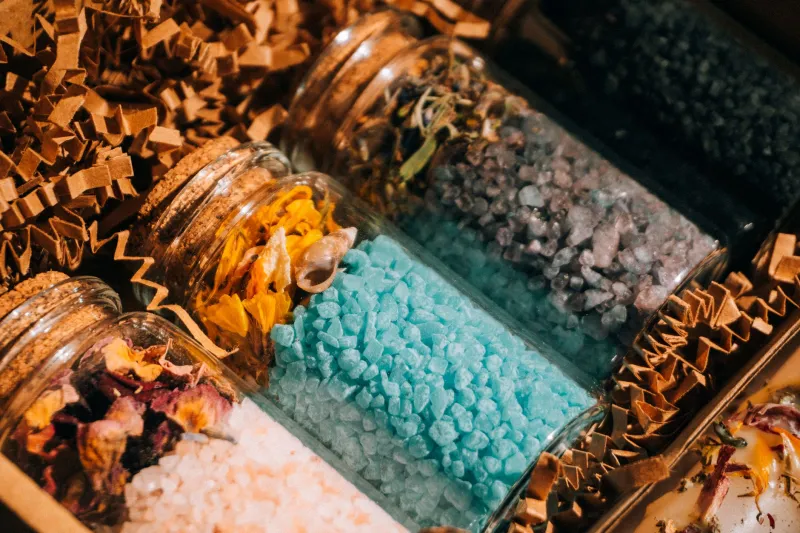
And yes, it makes a good gift. Small four-ounce jars, a handwritten label, and a little card with serving ideas turn a leftover hour of smoke into a host gift that does not look like a leftover. For backyard cooks, that is the real win: the brisket feeds dinner, and the afterglow feeds the next few months of cooking.