Cheap Offset vs. Fancy Ceramic: One Brisket, Two Smokers, Zero Mercy
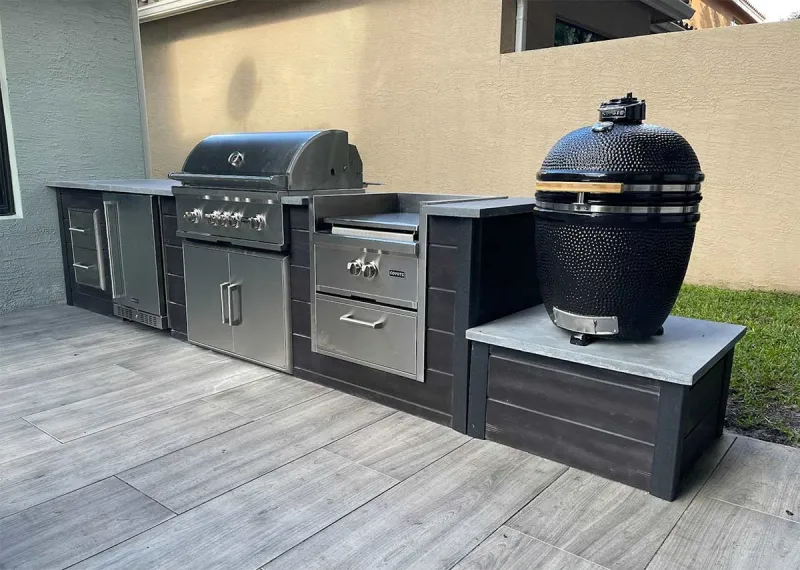
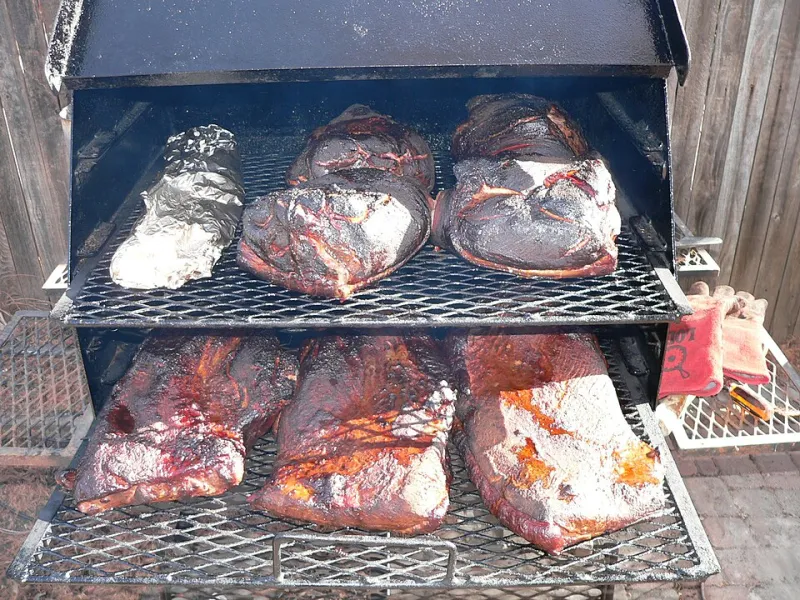
Photo: backyard offset smoker and ceramic kamado grill side by side with smoked brisket, via rtaoutdoorliving.com
Every backyard pitmaster eventually hits the same crossroads. You've been cooking on a budget rig for a couple of seasons, the results are decent, and you're wondering: does a $3,000 smoker actually make better barbecue, or does it just make you look better at the cookout?
There was only one way to find out. We bought the briskets, fired up both cookers, and invited the neighbors over for a blind taste test.
The Contenders
Smoker A: The $300 budget offset. A heavy-gauge steel stick burner from a big-box store — the kind you see on porches all across Texas and the Southeast. Thin metal, a single thermometer that reads about 40 degrees off, and a firebox that demands attention every 45 minutes.
Smoker B: The $3,000 ceramic cooker. Thick-walled kamado-style ceramic, gasket-sealed, with precise airflow control. Set it and mostly forget it. It weighs as much as a washing machine and holds temperature like a thermos.
Same butcher, same day, two 14-pound packer briskets, trimmed identically. Same rub: coarse salt, black pepper, a touch of paprika. Post oak for the offset, a mix of oak and hickory chunks for the ceramic.
The Cook: Labor Is the Hidden Price Tag
Here's what nobody tells you when you're comparing price tags — the sticker cost is only part of the story.
The offset demanded a full shift of work. Managing a clean fire in thin steel means feeding splits steadily, fighting gusts, and riding the temperature swings between 225 and 275°F. By hour six, I'd burned through a third more fuel than expected and hadn't left the patio chair for more than five minutes at a time. My boots smelled like a campfire for two days. Worth it? Ask my wife, who said the smoke smell got into the laundry room.
The ceramic was the opposite experience. Once I dialed in the vents, it cruised at 250°F with adjustments maybe twice over twelve hours. I watched most of a football game. I felt vaguely guilty about it.
Bark, Smoke Ring, and the Visual Verdict
Side by side on the cutting board, the difference was visible before we even sliced.
The offset brisket had that deep, mahogany, craggy bark — the kind you get from real smoke constantly washing over the meat. The smoke ring ran a solid quarter inch, pink and proud.
The ceramic brisket was beautiful too, with a slightly more even, darker bark and a smoke ring that was thinner but still clearly present. The ceramic's convection-style heat does a great job rendering, but it doesn't bathe meat in rolling smoke the way an offset does. If you're the kind of person who posts cross-section photos before anyone gets a bite, that matters.
The Blind Taste Test
We sliced both briskets into unlabeled samples, mixed up the trays, and put ten friends and neighbors to work. Points for bark, tenderness, smoke flavor, and overall.
The results were humbling for the expensive side of the patio: the offset won by a single point. Six of ten tasters picked it overall, mostly citing the smoke flavor and bark texture. But — and this is important — the ceramic brisket got zero complaints. Four people actually preferred it, calling it more tender and more consistent from end to end.
What the numbers didn't capture: the offset had a couple of dry slices near the flat. The ceramic didn't. Consistency is what you're really buying at the high end.
What You're Actually Paying For
Break it down and the $2,700 difference buys you four things:
- Fuel efficiency — the ceramic used roughly half the charcoal.
- Temperature stability — set it and walk away.
- Durability — that ceramic will outlive the budget offset by a decade, easily.
- Forgiveness — a beginner will get better results faster on the ceramic. Full stop.
What it doesn't buy you is a better brisket in the hands of someone willing to pay attention. Smoke flavor and bark still come from fire management, wood choice, and patience — things no price tag includes.
The Verdict: Which One Earns the Patio Spot?
If you've got the time and you love the process — the fire tending, the splits, the whole ritual — the $300 offset will absolutely produce competition-worthy brisket. It just won't make it easy.
If your weekend is packed, your weather is unpredictable, or you're still building confidence, the ceramic removes every excuse. You'll trade a little smoke depth for a lot of reliability, and for most cooks, that's a winning trade.
Our call? The budget offset stays for weekend projects and the pure joy of tending a live fire. The ceramic earns the weekday spot. Turns out the real answer to "$300 or $3,000" is the one nobody wants to hear: keep both, if the patio's big enough.
Got a budget smoker that punches above its weight? Drop a comment — we're always looking for the next rig to put through the wringer.